The Rise Of Cycling As A Social Sport: How Riders Find Community On Two Wheels
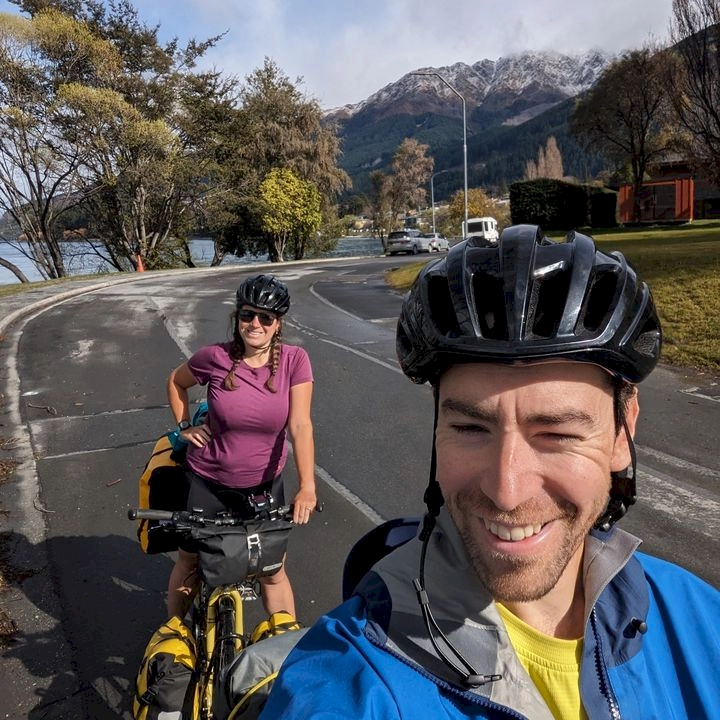
Spend enough time on a bike and you notice something interesting: cycling looks like a solitary sport from the outside, but in practice it’s one of the most social activities you can do. Spend anytime on a bike loaded with panniers and you'll draw attention, speak to locals, and share stories.
Take it from me, cycling lets you see the people around you at their absolute best.
Yes, there are long stretches of road where it’s just you, the pedals, and the sound of the wind. But those moments are usually balanced by something else: conversations at café stops, roadside chats with other riders, and the quiet camaraderie that develops when people share miles together.
Over the past decade, cycling has increasingly become less about individual performance and more about community.
From Solo Rides to Shared Experiences
For many people, cycling begins as a personal challenge. For me, riding as an adult was about getting back to being a kid again. I got on a cheap bike, purchased from Facebook Marketplace and started riding.
For others, it begins practically, like commuting to work, or with a well-intentioned adventure, like training for a charity ride, or simply trying to get fitter.
From my experience, once riders begin exploring longer distances or joining local routes, the social side of the sport tends to appear naturally. For me it started with a local tri club. I started riding longer distances, joining group rides, and challenging myself with weekend adventures, like organised sportives in Shropshire.
Before I knew it, I met my now-husband, Stewart at work. We bonded over cycling, went on some adventures together and before I knew it I was committed to a cycling adventure around the world.
There’s a particular kind of connection that forms between cyclists who share the road.
We just get it:
- The satisfaction of climbing a difficult hill then the reward of a view at the top.
- How demoralizing it is pushing a headwind for any duration.
- The reward of a cake stop at the half-way point, or at the end, to exchange cycling stories.
These shared experiences are just some reasons cycling communities have grown so quickly in recent years.
The Café Stop Culture
Ask any long-distance rider what the best part of a ride is, and there’s a good chance the answer will involve coffee.
Café stops have quietly become one of the central rituals of cycling culture. Riders gather around small tables, comparing routes, discussing equipment, and sharing stories from previous rides—or even the current ride. That's the beauty of cycling; you can join an organised long-distance ride with cafe stops en route. And while some cyclists are faster, and get to the stops earlier, every cafe stop offers a place to convene and talk.
We're all on the same ride, but the adventures are different.
These small moments are what turn cycling from a hobby into a community
When Stew and I went on our first bike ride, I asked him explicitly to route in a cafe so we could have tea and cake. On our route, it wasn't possible, but Stew saved the day and bought us cakes to enjoy in the car at the end.
Cycling Communities Beyond the Road
Technology has also played a role in expanding cycling communities.
Platforms like Strava allow riders to share routes and follow each other’s progress, while social media groups make it easy to organise meet-ups and discover new rides. Stew and I used Strava as we cycled around the world, sharing every single bike ride with a few followers who left comments. Many still follow today, though the adventures are a little less exciting, with most of Stewart's taking place from the spare room as he visits Wattopia on Zwift.
Zwift takes cycling indoors, turning training sessions into interactive rides through virtual worlds where you can ride solo or join others in real time. It fosters a strong sense of community, with group rides, races, and in-game chats that help riders stay connected and motivated, even when they’re training alone.
Warmshowers is perhaps the most famous website or app for touring cyclists and long-distance travellers. The website unites cycle touring hosts with cycle tourists so hosts can provide a bed, meal and warmshower to their cycle tourist; giving them a well needed rest after days on the road. We love it.
Some communities extend even further, bringing together people who share similar values alongside their love of cycling. One example is SALT, a global platform where Christians connect around shared beliefs and interests.
Within that community, cycling is one of many activities people bond over. Features like profile badges allow users to highlight hobbies and personality traits, while tools such as global search and “Online Now” make it easier to find people who are active in different parts of the world. The platform also hosts live audio “Table” discussions where members talk about topics ranging from everyday life to travel and outdoor adventures.
For riders who spend long hours exploring quiet roads or travelling between cities, these kinds of communities can provide a different way to stay connected with others who share similar interests.
Why Cycling Naturally Builds Community
Part of the reason cycling lends itself so well to community is the pace of the activity itself.
Unlike driving or even running, cycling moves at a speed that encourages interaction. Riders can talk while moving, stop easily to take in the surroundings, and adjust their pace to match the group.
This slower rhythm creates space for conversation and shared experiences that feel relaxed rather than forced.
Whether it’s a local club ride, a cross-country tour, or a spontaneous meeting with another cyclist on a quiet road, the connections that develop often become just as memorable as the ride itself.
The Road Ahead
Cycling will always have a solitary side. There will always be riders who prefer the quiet focus of long solo journeys.
But increasingly, the sport is also becoming a way for people to build friendships and communities that extend far beyond the ride.
And for many cyclists, that sense of shared adventure is exactly what keeps them coming back to the saddle.
Post written by: Zoe Ashbridge
Comments
Ask a question or join the discussion below.
Go back to Cycling Adventures to see more content like this or checkout similar content below.
Back to Cycling Adventures
No comments have been made yet, be the first!