Cycling With Kids: Combining Fun, Exploration, And Simplicity
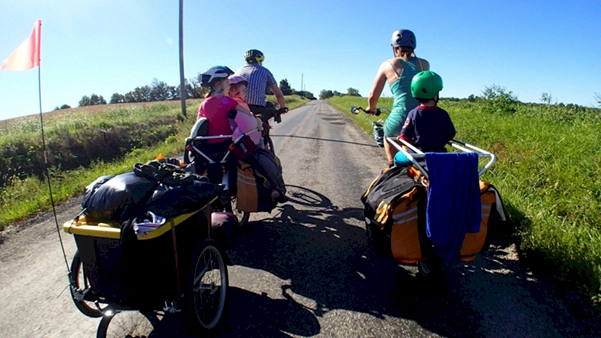
In England alone, 7% of adults cycle at least once per week for leisure, and with 1.23 million overnight cycle trips recorded each year, more families are embracing the freedom of two wheels. Cycle touring isn’t just for seasoned adventurers—it’s one of the best ways to explore, slow down, and create lasting memories with your kids.
I know the doubts that come up: Is it safe? Will the kids enjoy it? Is it too complicated? The reality is far simpler. With the right preparation and a flexible mindset, family cycling becomes second nature. It’s not about covering long distances or rigid schedules—it’s about the shared experience, the little discoveries along the way, and the joy of moving together.
This guide will walk you through the essentials—planning routes, keeping kids engaged, staying safe, and choosing the right gear. Once you start, you’ll realise family cycling isn’t just possible—it’s one of the most rewarding ways to travel.
What are the biggest misconceptions about family cycling?
“It’s too complicated”. Why it’s actually easier than you think
Family cycling may seem overwhelming, but good planning makes all the difference. Choosing the right gear, mapping a kid-friendly route, and planning breaks in advance removes most challenges before they arise. Once you find a rhythm, it becomes second nature—less about logistics, more about adventure.
A well-prepared trip means fewer surprises and more time to enjoy the ride. Each journey builds confidence, proving that family bike touring isn’t complicated—it’s just a different way to explore the world, one pedal stroke at a time.
What turns a simple ride into an adventure for kids?
The fear that children will quickly lose interest in cycling is a common one. But the truth is, the journey itself can be just as thrilling as the destination—if approached the right way. Kids naturally crave adventure, movement, and discovery, and a well-planned ride can transform every outing into an engaging experience.
For children riding their own bikes, adding playful challenges can keep them motivated. Mini races, time trials, or scavenger hunts along the route turn the ride into an exciting quest rather than just a means of transport. Encouraging them to take turns leading the group can also boost their sense of independence and involvement.
For younger ones or those riding passively for instance on a longtail bike, engagement comes in different forms. Storytelling, sing-alongs, or interactive games like “I Spy” keep their minds active. Technology can also enhance the experience—GPS treasure hunts, bird-watching apps, or even simple audio guides that teach them about the landscapes they’re passing through can add an educational twist.
The key is to strike a balance between structure and spontaneity. Letting kids have a say in the route or choosing rest stops gives them a sense of control. Riding with friends or other families can also introduce a social element, making the trip more fun. In the end, it’s not about speed or endurance—it’s about making every ride an opportunity for joy, discovery, and shared memories.
What makes family cycling safe and stress-free?
Cycling accidents are often a concern for parents, but the reality is that severe incidents remain relatively rare. In 2023, 14,437 cyclists were reported injured in road collisions, 3,890 serious injuries, and 10,456 minor injuries. While no activity is without risk, cycling remains one of the safest and healthiest ways to travel when approached with proper precautions.
The UK is continuously improving cycling infrastructure to enhance safety for riders of all ages. Sustrans has committed to doubling the mileage of traffic-free routes on the National Cycle Network, expanding from 5,150 to over 10,000 miles. This means safer, more accessible paths designed for families, making long-distance riding more secure and enjoyable.
For extra protection, helmets, high-visibility clothing, and bike lights increase visibility, while sticking to low-traffic roads and dedicated cycling paths minimises exposure to vehicles. Family tours naturally avoid high-risk areas, keeping riders on quieter country roads rather than busy highways. For those using e-bikes, adjusting to the extra weight and speed, practicing emergency braking, and maintaining controlled descents are key to riding safely.
Ultimately, cycling safety comes down to smart planning, route selection, and staying aware on the road. With the right approach, family cycling is not just safe—it’s one of the most empowering and rewarding ways to explore the world together.
How does cycling give families more freedom?
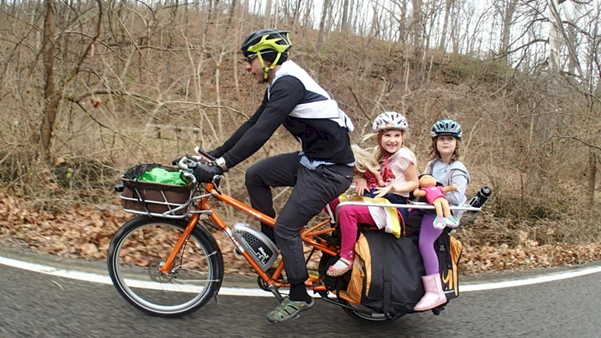
Cycling one of the best ways to connect as a family
Between school, work, and daily routines, finding real family time can be a challenge. Cycling slows everything down, replacing stress with shared moments. Conversations flow, laughter comes easily, and even the quiet stretches become meaningful. With no distractions, just open roads and fresh air, it’s a chance to connect in a way that feels effortless.
Beyond quality time, cycling keeps the whole family active. Kids who ride regularly build lifelong fitness habits, while parents set a powerful example of making movement a natural part of daily life. Whether it’s a short ride to the park or a longer adventure, every pedal stroke brings families closer together.
Cycling teach kids independence and responsibility
Every ride is a lesson in confidence. Kids who cycle learn to navigate, make decisions, and solve problems—whether choosing a route, adjusting their bike, or riding safely. The ability to travel short distances on their own builds independence and a sense of accomplishment.
Cycling also connects kids to the world around them. Experiencing nature firsthand fosters a love for the outdoors and an awareness of sustainability. Choosing a bike over a car isn’t just about getting from one place to another—it’s about raising a generation that values exploration, responsibility, and a lighter impact on the planet.
Practical tips make family cycle touring easier
Which bike setup works best for a long-distance family tour?
A smooth and enjoyable tour starts with the right setup. The best bike choice depends on your child’s age and riding ability. Child seats and bike trailers work well for younger kids, offering security and comfort, while family bikes provide stability and extra storage for longer trips. As kids gain confidence, trailer bikes and tagalongs allow them to pedal along while relying on a parent for balance. Older children ready for their own bike need a properly sized, lightweight model to keep up without tiring too quickly.
Every family has different needs, but the goal is the same: a setup that keeps the ride comfortable, safe, and fun for everyone. A well-equipped bike makes all the difference between a challenging journey and an unforgettable adventure.
What essentials guarantee a good night’s sleep on the road?
Quality sleep is crucial on a family bike tour. A lightweight, weather-resistant tent ensures protection without adding bulk. Secure anchoring is key for handling wind and rough conditions.
For comfort, double sleeping pads work well for parents with younger kids, while older children may prefer self-inflating or foam pads over ridged surfaces. Three-season sleeping bags with liners add warmth, and lightweight kids’ quilts save space without sacrificing insulation. Toddlers benefit from well-insulated sleeping bags for extra warmth.
Don’t overlook small comforts—a real pillow beats a makeshift one, and a favourite stuffed toy can make bedtime smoother. Well-rested riders make for a more enjoyable journey.
How can you keep energy levels high during a family bike tour?
Keeping everyone well-fed on a family bike tour is about balance, variety, and smart packing. While gas stations and roadside diners might be tempting, fresh and nutrient-rich foods will keep energy levels high and recovery smooth.
Prioritise a mix of carbs, protein, and healthy fats to sustain endurance. Fresh fruit, chickpeas, nuts, and whole-grain snacks offer quick energy, while aged cheeses, nut butters, and canned fish provide longer-lasting nourishment. Stock up on fresh foods that travel well, like apples, carrots, and avocados, and eat ripening produce first to prevent spoilage.
Hydration is just as important—always carry more water than you think you’ll need. Keep energy-packed snacks accessible while riding, whether in a handlebar bag, top tube pouch, or even a lightweight backpack. Reusable food wraps and silicone pouches help cut down on waste while keeping meals fresh.
For longer stops, a compact stove or portable cooking system allows for warm meals, turning a simple break into a moment of rest and recharge. Eating well on the road isn’t just about fueling the body—it’s part of the adventure itself.
What’s the key to staying comfortable on long rides?
Dressing for a family bike tour means balancing comfort, warmth, and packability. Kids need layers that dry quickly and provide flexibility for varying weather. A mix of t-shirts, fleece tops, and thermal layers works well, with fleece joggers doubling as cozy campwear. Rain protection is a must—lightweight waterproof jackets and dungarees keep them dry. Sun protection matters too, so hats, sunglasses, and sunblock should always be within reach.
For footwear, a pair of sandals and trainers covers most conditions, while an extra woolly hat and mitts come in handy for chilly mornings. Packing extra socks and underwear minimises daily laundry stress, keeping everyone fresh and comfortable.
Toiletries stay simple—toothbrushes, a small tube of toothpaste, and a pack towel. Bug spray, sunblock, and hand sanitiser should be easily accessible for on-the-go use. A small ziplock with wet wipes, toilet paper, and a face cloth adds convenience, especially when camping in remote areas.
Keeping it light while ensuring warmth and weather protection makes the journey smoother. Dry, warm kids mean fewer meltdowns and more time enjoying the ride!
What small essentials make a big difference for kids?
Packing for a family bike tour isn’t just about the basics—small comforts and practical extras can make the trip smoother and more enjoyable for everyone.
For kids, a few well-chosen items keep spirits high. A couple of books for bedtime, a deck of Uno, and a small set of Duplo provide entertainment during downtime. If heading to the beach, a bucket and spade add simple outdoor fun. Fleece blankets are incredibly versatile—warm at night, cozy in a bike trailer, and useful as makeshift picnic mats. A travel potty is a lifesaver for little ones, and a baby carrier can be handy for off-bike excursions.
On the practical side, dry bags in different sizes keep gear protected—larger ones store bulky items like sleeping bags, while smaller ones secure electronics and documents. Cycling gloves improve comfort, and a first aid kit is a must for scrapes and stings. Toilet paper, head torches, suncream, and a stash of laundry coins are small but essential details that prevent unnecessary stress.
These extras may seem small, but they can make the difference between a smooth, happy tour and a frustrating one.
How do you map out a bike-friendly route for kids?
A successful family bike tour starts with smart route planning. Stick to quiet roads, scenic bike paths, and well-maintained trails to keep the ride safe and enjoyable. Plan regular breaks at parks, playgrounds, or nature spots where kids can stretch, play, and explore. Researching campsites or family-friendly accommodations ahead of time ensures smoother transitions at the end of each day. A well-thought-out route makes the journey enjoyable for both kids and parents.
What keeps kids engaged and happy on the road?
Keeping kids content on a bike tour means balancing snacks, breaks, and fun distractions. Pack plenty of easy-to-eat, energy-rich foods to avoid hunger-induced meltdowns. Schedule frequent rest stops where they can move around and recharge. For entertainment, simple games like “I Spy,” storytelling, or a favourite travel-friendly toy help pass the time. Keeping the experience light, fun, and engaging makes for a smoother ride and happy little cyclists.
Conclusion
At its core, family cycling is about experiencing life at a different pace. It’s not about how far you go or how fast you ride but about the stories shared, the laughs along the way, and the places you discover together. Each journey—whether short or long—becomes a chapter in your family’s adventure book.
With the right mindset and preparation, family cycling opens doors to exploration, independence, and unforgettable moments. The road is waiting—one pedal stroke at a time.
Post written by: Zoe Ashbridge
Comments
Ask a question or join the discussion below.
Go back to Cycling & Touring Tips, Tricks and More to see more content like this or checkout similar content below.
Back to Cycling & Touring Tips, Tricks and More
No comments have been made yet, be the first!